Vol. XII · Issue 3 · February 2026Dispatches from the Endangered Worldfieldjournal.org

FIELD

Wednesday, 25 February 2026"The forest speaks. We transcribe."Est. 2014
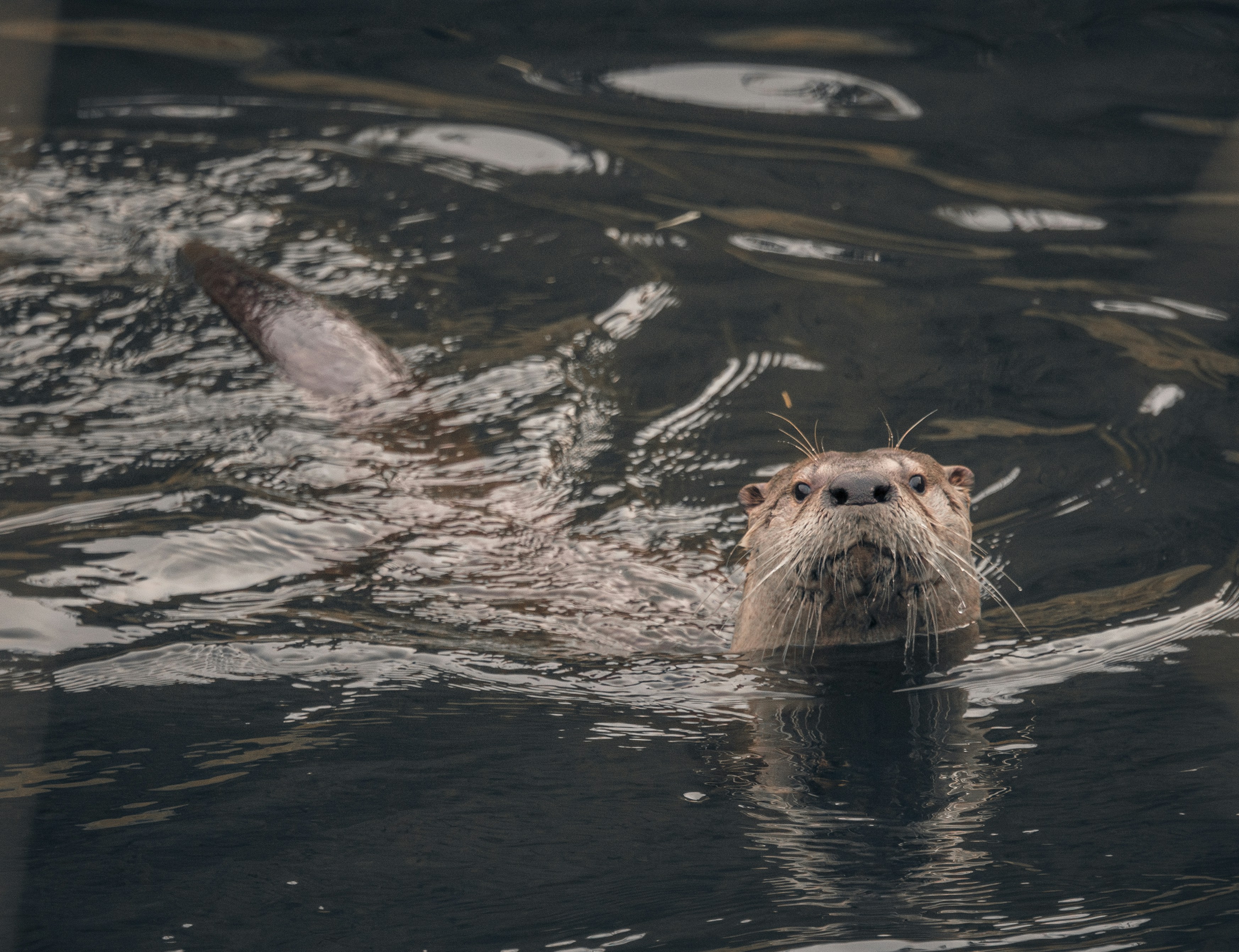
A Yangtze finless porpoise surfaces mid-leap in grey river light, eyes locked on the lens
Lipotes vexillifer · Critically Endangered

The Last 400 Days of the Yangtze Finless Porpoise

There are fewer than 1,100 left. Each one has a name in Dr. Zhou's notebook. This is the story of one morning on the river — and what it costs to keep counting.

Field Dispatch · Free Weekly

Receive the next dispatch before it's published.

One email per week. No aggregation. No sponsored content. Just the field, as it happens.

Full Dispatch · February 2026Yangtze River, Hubei Province

Before Sunrise on the Yangtze

04:47

The river does not care what time it is. It has been moving since before the dynasty that named it, carrying silt from the Tibetan plateau down through Sichuan and Hubei to the sea. At 04:47 on a February morning, standing on the research vessel Baiji II in near-zero visibility, I care very much what time it is. The acoustic hydrophones go in at first light. Before that, we wait.

My field notebook for the morning already has twelve entries, none of them about porpoises. Water temperature: 8.2°C. Wind from the northeast, force 2. Visibility: 60 metres in river fog. A cargo barge passed at 04:31 — the third since midnight — its engine noise registering on the passive recorder at 142 decibels. The porpoises, if they are here, will have heard it from two kilometres away. Whether they fled or simply endured it is the question that has occupied my research for eleven years.

"The porpoises, if they are here, will have heard it from two kilometres away. Whether they fled or simply endured it is the question that has occupied my research for eleven years."
06:12

First light arrives the way it always does in winter — reluctantly, as though the sun itself is uncertain about the river. The fog thins from grey to white to the colour of old paper. At 06:12, my research assistant Liu Yang calls from the bow: a blow. Then another. Two animals, moving upstream together, surfacing every forty to sixty seconds in the pattern we associate with foraging rather than transit.

I recognise the second animal immediately. A crescent-shaped scar on the dorsal ridge, legacy of a propeller strike in 2021. I call her Hua, which means flower — my colleague Dr. Fang named her, back when Fang still worked this stretch of river. Fang left for a teaching position in Chengdu in 2023. I do not blame him. Three years of watching the population decline will exhaust anyone's optimism.
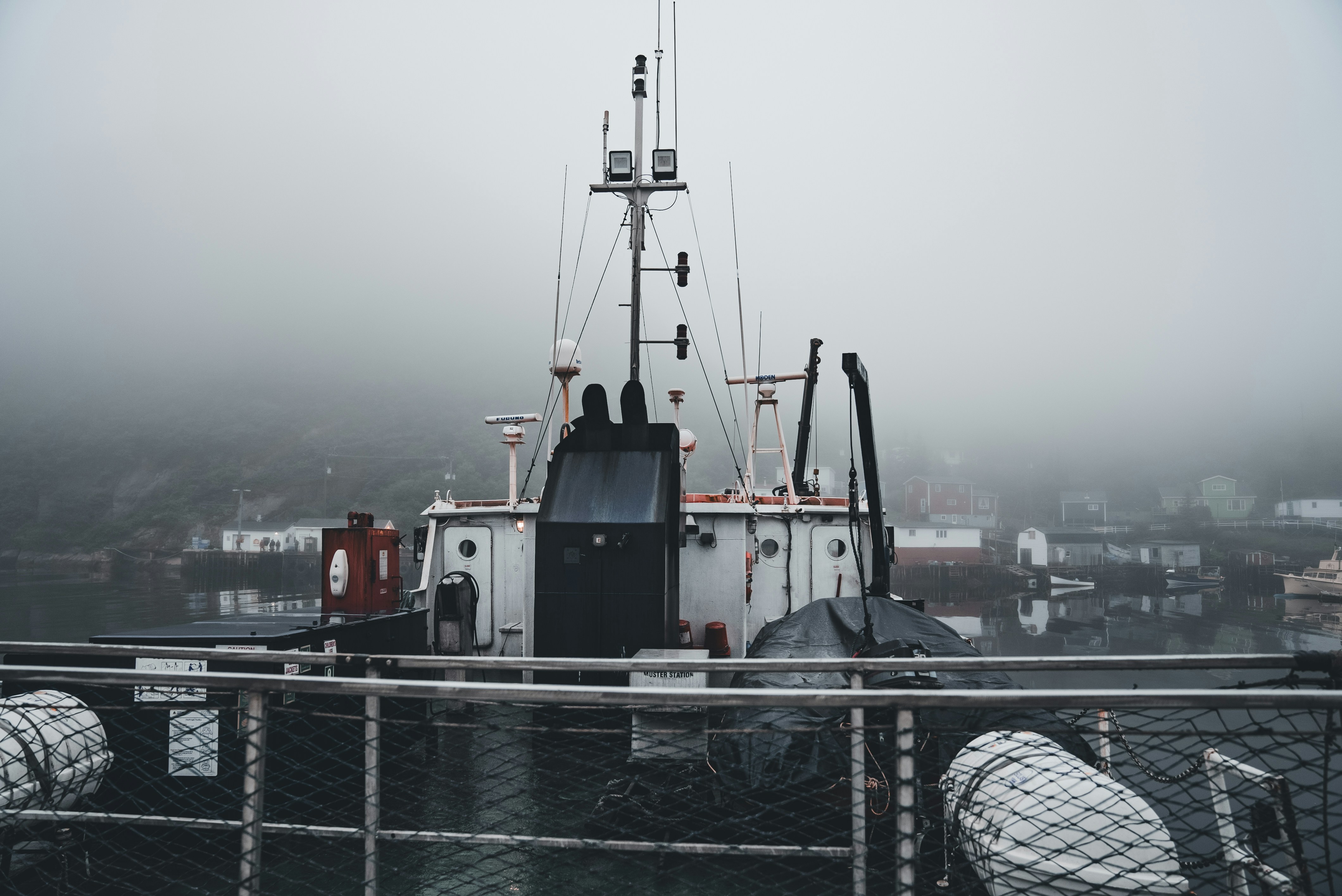
Research vessel on a wide grey river at dawn, fog lifting over the water surface

The research vessel Baiji II at anchor on the Yangtze, February 2026. The river carries approximately 480 million tonnes of sediment annually — and a noise level that has doubled since 1990. · Photo: Thomas Keller

08:33

The tagging operation begins at 08:33 and is over in eleven minutes. This is fast. Last spring's attempt on a different individual took three hours and ultimately failed when the animal dove into a ship channel and did not resurface for forty minutes. Today, Hua and her companion — a juvenile male we have not catalogued before — remain close to the northern bank, where a gravel bar creates a temporary acoustic shadow from the shipping lane.

The satellite tag is the size of a thumb drive and attaches to the dorsal ridge with a pin that will corrode in seawater over ninety days. It will tell us where Hua goes, how deep, how often she surfaces, whether she is feeding. What it will not tell us is what she hears, or what she remembers, or whether the category of loss is available to a cetacean nervous system. I have spent eleven years trying not to think about that last question.

"The satellite tag is the size of a thumb drive. It will tell us where Hua goes, how deep, how often she surfaces. What it will not tell us is what she hears, or what she remembers."
13:15

Between 10:00 and 13:15, nothing happens that would make good reading. This is the reality of field biology that no documentary has ever successfully communicated: most of it is waiting. I eat a cold bun. Liu Yang sleeps in the wheelhouse. The hydrophone records 4.2 hours of shipping noise, three fragments of porpoise echolocation, and one sequence of clicks that might be communication or might be the hull of the vessel contracting in the cold. I cannot tell yet. I will not be able to tell for months, after the acoustic analysis is complete.

At 13:15 a fisherman in a wooden skiff passes close enough for me to see his face. He is old — seventies, perhaps — and he looks at our vessel with the expression I have learned to read as neither hostile nor friendly, but something more complicated: the look of a man who remembers the river before the dams, before the container ships, before the researchers arrived with their tags and their notebooks and their careful, useless counts.

16:40

The patrol boat from the Hubei Fisheries Administration arrives at 16:40, which is forty minutes after the incident we will later file a report about. At 16:00, Liu Yang spotted a set net — illegal under the 2020 Yangtze fishing ban — strung between two buoys 200 metres upstream. By the time we had photographed it, noted the GPS coordinates, and called the patrol number, the net had been retrieved. The buoys were gone. The fisherman was gone.

This happens, on average, twice per monitoring trip. The ban is real. The enforcement is real. The nets are also real. I do not write this to indict the fishermen — most of them are operating at subsistence margins in a river system that has been industrialised beyond recognition in their lifetimes. I write it because the data requires it, and because the data is the only thing I have to offer the porpoises.
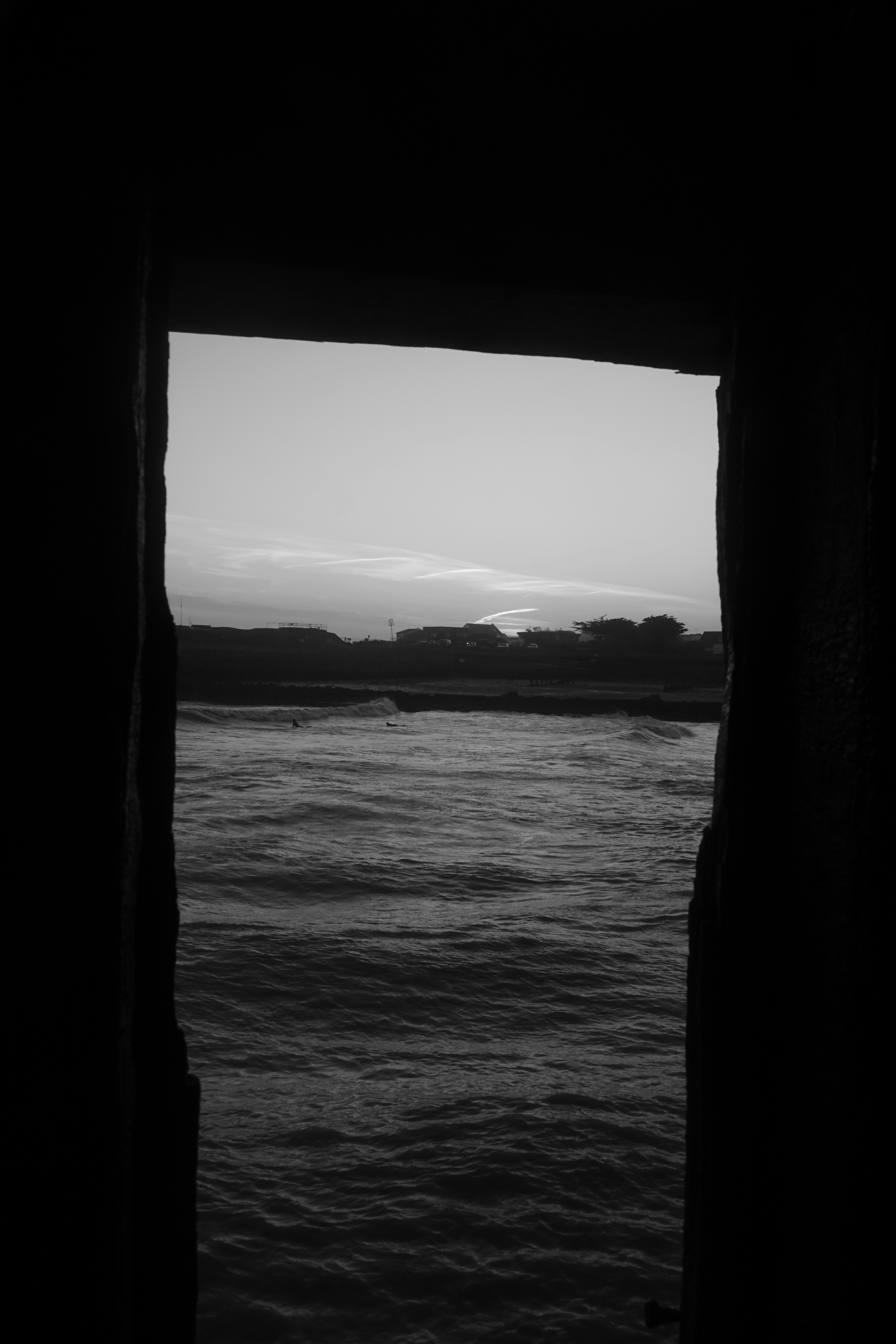
A dolphin surfacing in dark water at dusk, silhouetted against fading light

Hua, catalogued subject #TF-2021-07, photographed at 06:18 during the February monitoring session. The satellite tag was successfully deployed at 08:44. · Photo: Thomas Keller

19:02

We dock at 19:02. The data upload from the hydrophone will take three hours. The tag data will not begin transmitting until Hua surfaces near a satellite pass, which could be tonight or tomorrow or next week. Liu Yang goes to find food. I sit in the wheelhouse and update my notebook with the day's count: two confirmed individuals, one new juvenile, one successful tag deployment, one illegal net observed-and-lost.

There are, by the most recent estimate, between 1,012 and 1,145 Yangtze finless porpoises remaining. The range reflects genuine uncertainty — these animals do not cooperate with census methodology. The number is rising slightly, for the first time since monitoring began. The fishing ban is working, slowly, the way slow things work: not with drama, but with the quiet accumulation of mornings like this one, repeated by researchers I will never meet, on stretches of river I will never see.

I close the notebook. Outside, the river is dark and loud with barges. Somewhere under that noise, Hua is moving. The tag is transmitting. We are counting.

Dr. Mei-Ling Zhou is a cetacean ecologist at the Wuhan Institute of Hydrobiology and lead researcher on the Yangtze Finless Porpoise Long-Term Monitoring Programme. Her work is funded by WWF-China and the National Natural Science Foundation of China. Field readers can support her research directly at fieldjournal.org/support.

Field Dispatch · Free Weekly

Receive the next dispatch before it's published.

One email per week. No aggregation. No sponsored content. Just the field, as it happens.

Full Dispatch · January 2026Tanjung Puting, Central Kalimantan

Counting Shadows in Borneo: A Night with the Sunda Pangolin

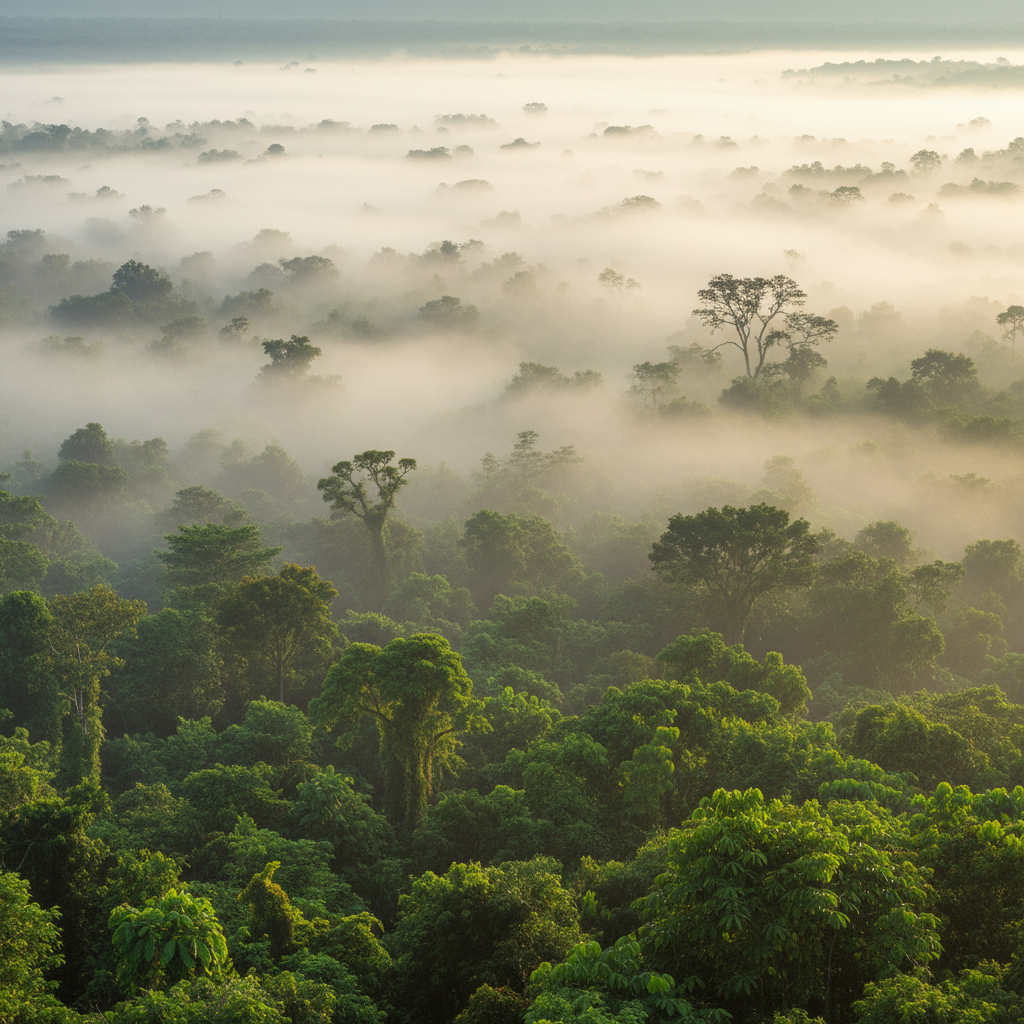
Dense Bornean rainforest at dusk, canopy layers disappearing into mist

The peat swamp forest of Tanjung Puting at dusk. The Sunda pangolin is nocturnal; most monitoring work happens in the eight hours after last light. · Photo: James Osei-Bonsu

18:30

The pangolin does not know it is the most trafficked wild mammal on earth. It knows the particular smell of a Macrotermes colony at 30 centimetres depth, and the angle of a fallen log that shelters a second nest beneath it, and the sound — if sound is the right word for a vibration felt through scales — of rain arriving from the west. At 18:30, as I position my camera trap for the third time in four nights, the animal I am looking for is already awake somewhere in the 47 hectares I am monitoring. I just cannot find it.

The Sunda pangolin, Manis javanica, is listed as Critically Endangered on the IUCN Red List. Between 2000 and 2019, an estimated one million pangolins were removed from the wild across all eight species. The number is almost certainly an undercount. Pangolins are secretive, solitary, and poorly studied — which is part of why their population collapse went unnoticed until it was severe. You cannot count what you cannot see.

"You cannot count what you cannot see. The population collapse went unnoticed until it was severe — a lesson the conservation movement is still learning."
21:14

Camera trap 7 triggers at 21:14. I am 300 metres away, watching the live feed on a ruggedised tablet that is slowly running out of battery. The image is infrared, which means the animal appears in the flat white of thermal contrast rather than the brown-and-gold of its actual scales. It is a female, based on the size — approximately 3.2 kilograms, which puts her in the adult range. She moves with her nose to the ground, covering ground in a slow, deliberate arc that follows the edge of the log I repositioned the camera to monitor yesterday.

I have been trying to photograph this individual for eleven nights. My local research partner, Daud bin Ahmad, who has worked this forest for twenty-two years, told me on the first night that she had a particular route — that she always crossed the same fallen meranti tree at roughly the same hour. He was right. I moved the camera three times before I believed him.

Close-up of overlapping pangolin scales, textured and dark, lit from the side

Detail of Sunda pangolin scales. The keratin plates — chemically identical to human fingernails — are the primary driver of poaching demand in traditional medicine markets. · Photo: J. Osei-Bonsu

23:40

At 23:40, Daud shows me something on his phone. A screenshot from a wildlife trade monitoring group: a listing, posted three days ago, for "live scaly anteater, Borneo origin," on a platform I will not name. The asking price is approximately $800 USD. The listing has since been removed — the platform has an automated detection system — but the screenshot is evidence of something that is happening continuously, in parallel with everything I am doing here.

I have thought carefully about how to write this paragraph. I do not want to suggest that the monitoring work is futile — I do not believe it is. Population data creates the legal basis for enforcement. Camera trap networks have been used successfully in prosecution cases in Malaysia and Indonesia. The work matters. But sitting in a forest at midnight, looking at a screenshot of an animal that might be the one I have just spent eleven nights trying to photograph, it is difficult to hold onto the long view.

"Population data creates the legal basis for enforcement. The work matters. But sitting in a forest at midnight, it is difficult to hold onto the long view."
02:17

Camera trap 7 triggers again at 02:17. The same animal — I can tell by the movement pattern, the way she pauses at the base of the meranti log before climbing. She has covered approximately 2.3 kilometres since 21:14, which is consistent with the home range data from the tagged individuals in the adjacent research area. She is healthy. She is here. That is, for tonight, enough.

I write up my field notes by headlamp in the research cabin, which smells of damp wood and insect repellent and the particular staleness of air that has been breathed by researchers for many years. The data goes into the shared database at 02:31. By the time I am asleep, it will already be part of a population model that will be cited in a policy document that will be read by someone who has never been within ten thousand kilometres of this forest. That is how conservation works. That is the only way it can work.

James Osei-Bonsu is a wildlife biologist and camera trap specialist based in Accra and Kalimantan. He leads pangolin monitoring programmes for the IUCN SSC Pangolin Specialist Group. His field equipment fund can be supported at fieldjournal.org/support.

Field Dispatch · Free Weekly

Receive the next dispatch before it's published.

One email per week. No aggregation. No sponsored content. Just the field, as it happens.

Free Resource

The Field Species Watchlist 2026

48 pages. 200 species. Status updates, range maps, and the names of the researchers watching each one. Updated every January. Used by ecology departments at 34 universities.

  • 200 critically endangered species profiles
  • Current population estimates with source citations
  • Active research contacts for each species
  • Printable field reference format (A5 PDF)

No spam. Unsubscribe any time. Your email is never shared. We are a reader-supported publication with no advertising relationships.

Coming Next

Subscribe to read when published
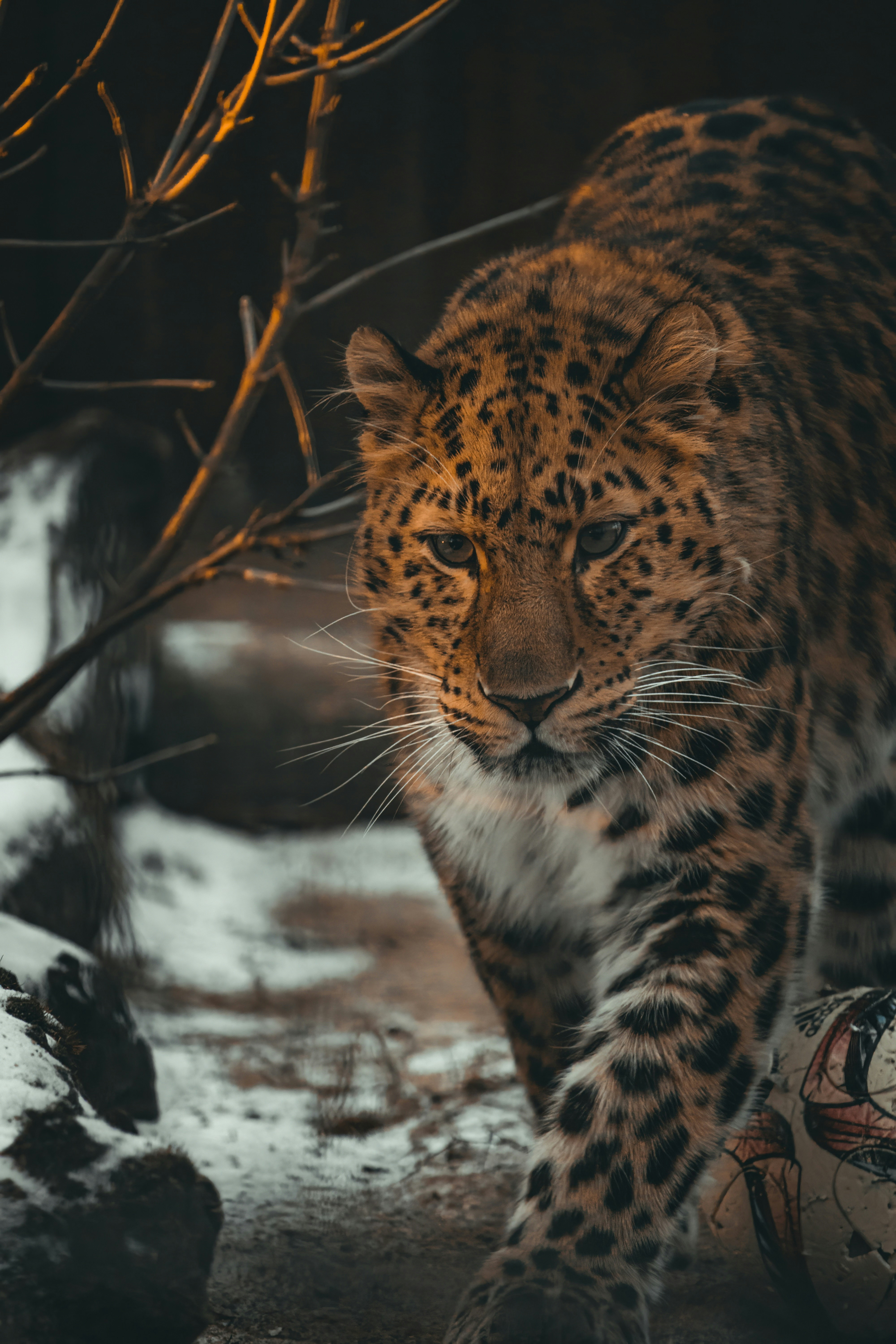
An Amur leopard walking through snow-covered birch forest, breath visible in cold air
Amur LeopardMar 2026
Seven Kittens in the Snow: The Amur Leopard's Fragile Recovery

Primorsky Krai, Russia

Read dispatch
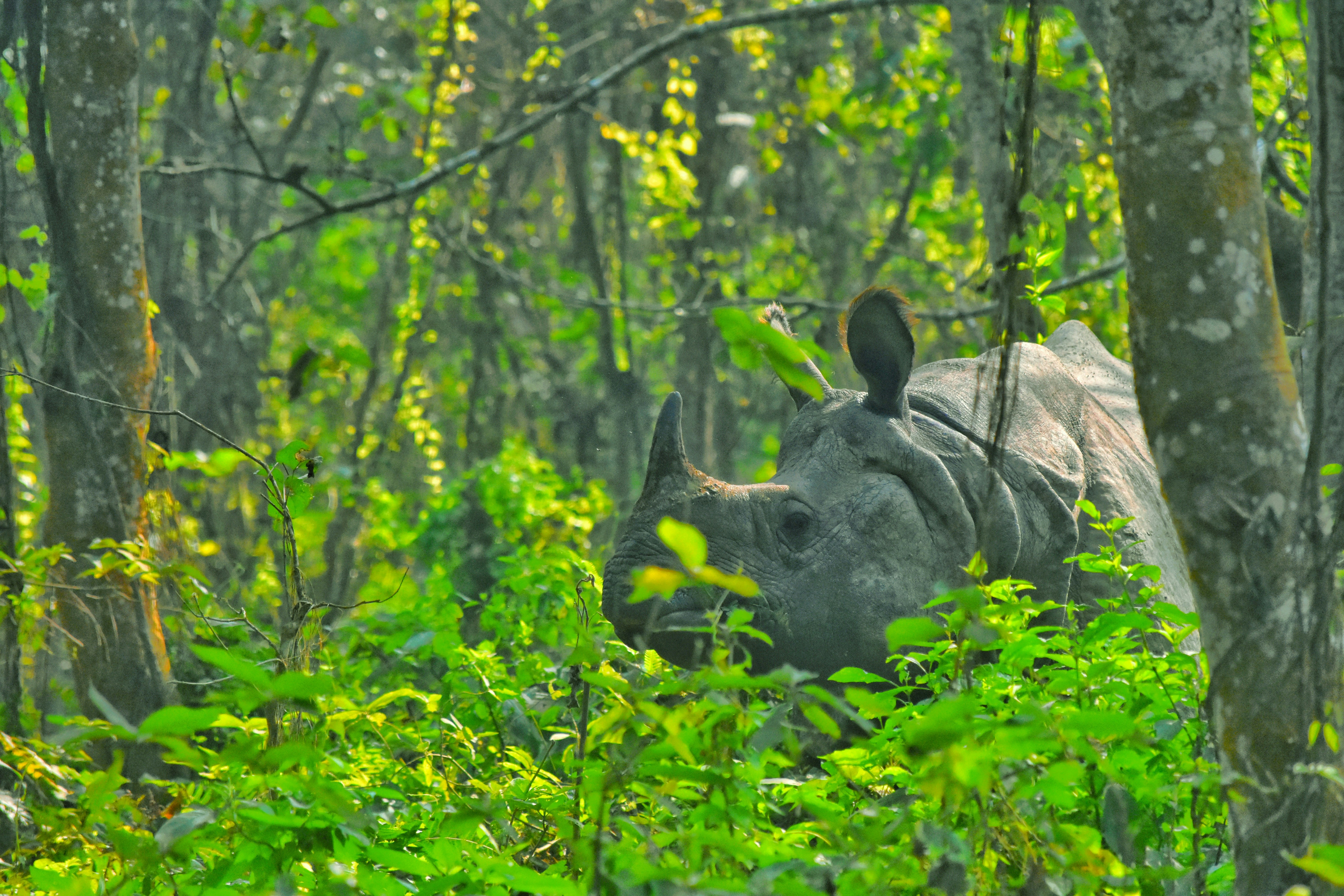
A rhino in dense tropical vegetation, partially obscured by leaves and shadow
Sumatran RhinoFeb 2026
The Last Breeding Programme: Inside the Sumatran Rhino Sanctuary

Way Kambas, Sumatra

Read dispatch
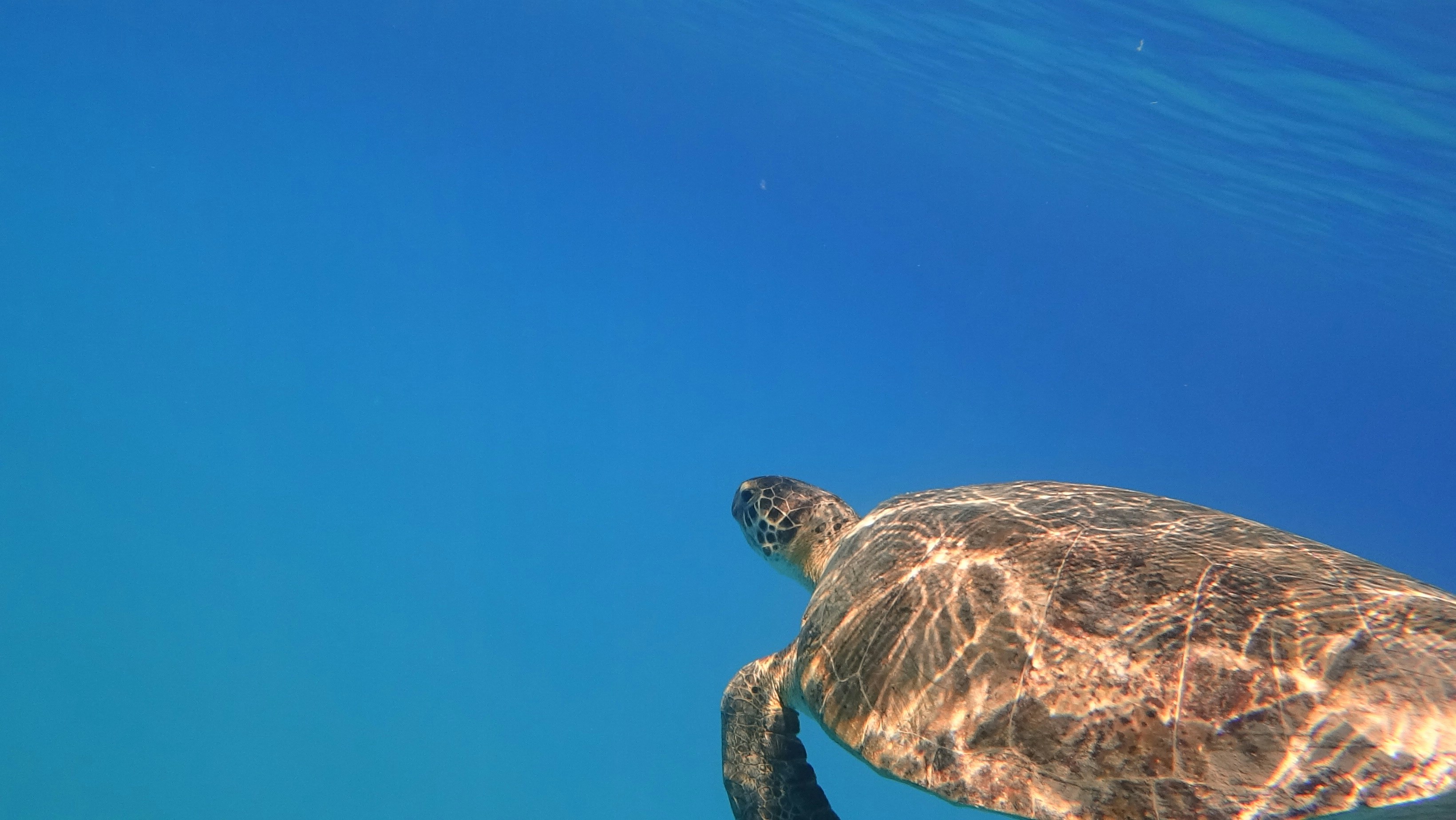
A sea turtle gliding through clear blue water, light refracting across its shell
Hawksbill TurtleFeb 2026
Nesting at Midnight: 40 Years of Hawksbill Data on Raine Island

Great Barrier Reef, Australia

Read dispatch
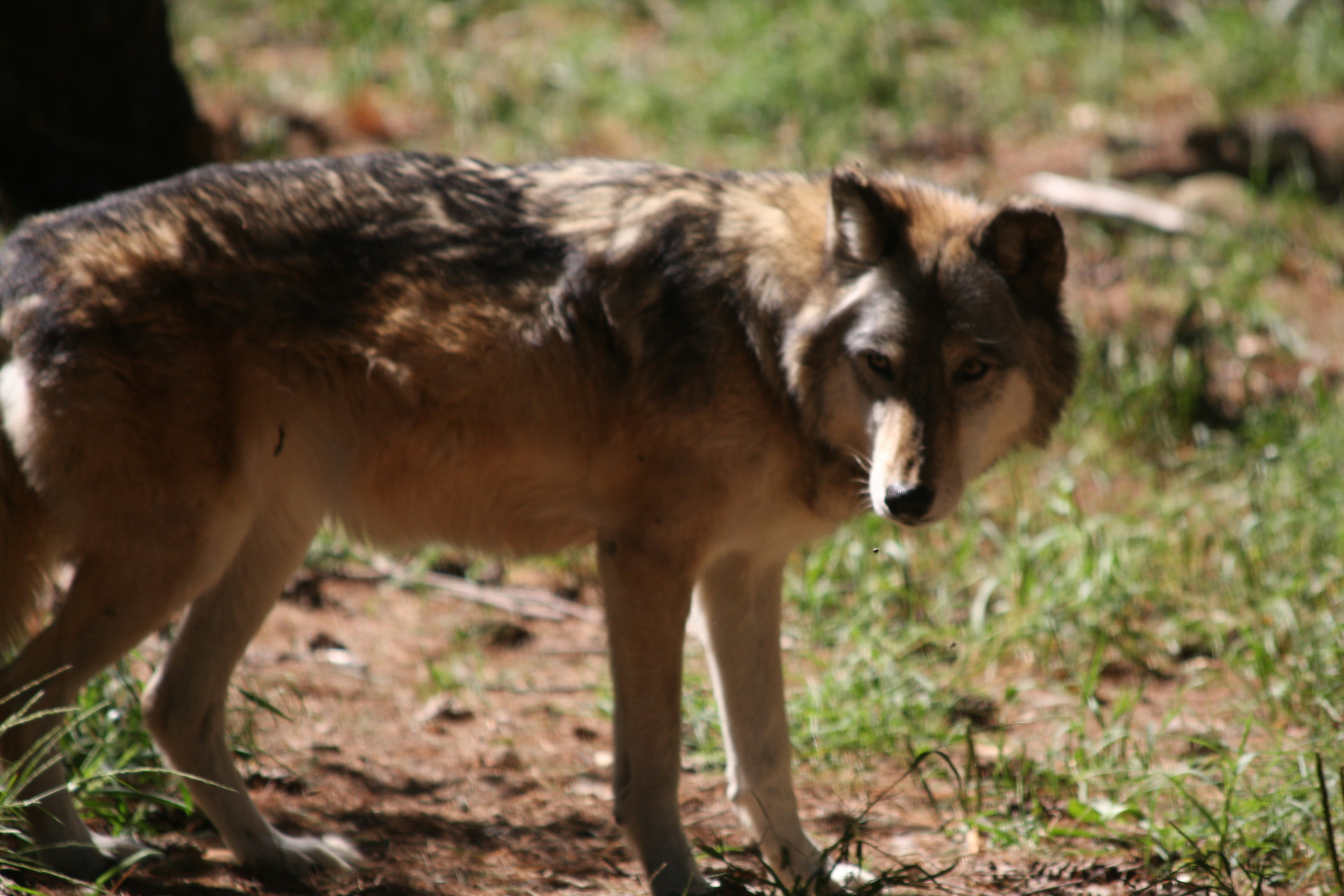
A lone wolf standing on an open highland plateau at golden hour, alert and still
Ethiopian WolfJan 2026
Distemper Season: Racing Disease in the World's Rarest Canid

Bale Mountains, Ethiopia

Read dispatch

New dispatches publish every Wednesday. Subscribe to receive them the evening before.